
The gap at the top
The best-documented placement story starts with a silence. In 2002, Just Blaze asked Cam’ron to say his name on “Oh Boy,” and he noticed a gap right at the top of the song (play: Cam’ron, “Oh Boy,” official video). “Put it right there where there’s nothing else being heard but that,” he remembered thinking, in a 2006 lecture at the Red Bull Music Academy. Until then, he said, a name on a record usually had to compete with the beat, an intro or somebody talking.[1]
Hit-Boy wished he had put his name at the start of one particular record. The producer, who went years without a tag, told the podcast Song Exploder that he still thinks about his 2011 hit for Jay-Z and Kanye West: “Imagine if ‘N****s in Paris’ had ‘Hit-Boy’ in the beginning.”[6]
A 2017 study offers some context for short intros. Hubert Léveillé Gauvin, then a doctoral student in music theory at Ohio State University, analyzed Top 10 songs from 1986 to 2015 and found that average intros fell from more than 20 seconds to about five. He suggested that easy skipping could help explain the trend. A separate Spotify comparison found no evidence for that explanation, however. Neither result sets an intro length for your beat; listen to the space your arrangement actually leaves.[7]
The voice is one of the most attention-grabbing things there is in music.
Land it on the one
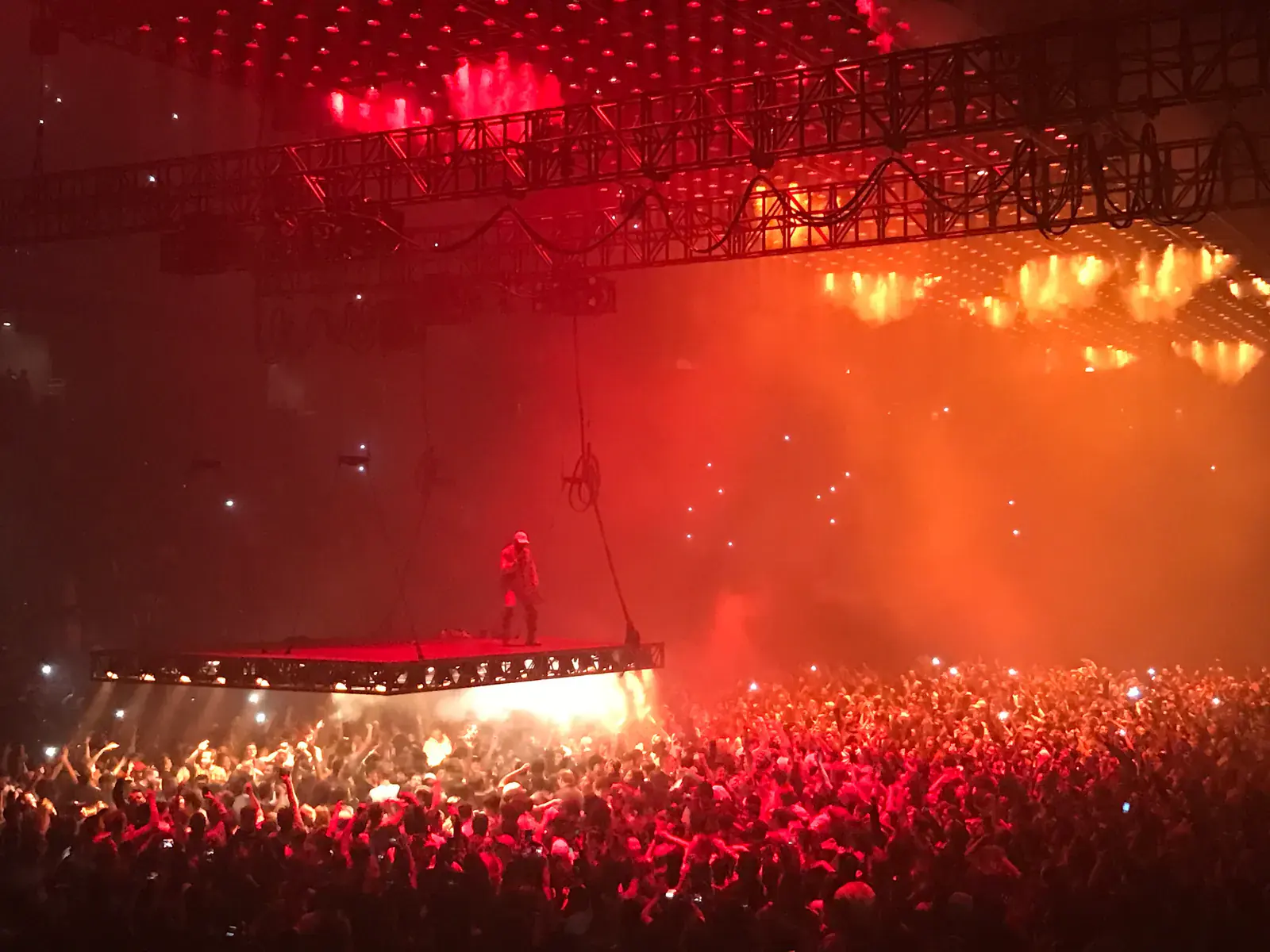
Timing inside the gap matters as much as the gap. In February 2016, Kanye West was about to play The Life of Pablo at Madison Square Garden when he called Metro Boomin: “yo send the tag we about to do the show.” West then moved it “more to the right so that the ‘shoot you’ lands on the 1,” Metro wrote on X in 2023, meaning the first beat of the bar. “I never would have even thought of that but that’s the genius of Kanye.”[8]
Partway into “Father Stretch My Hands Pt. 1,” the music drops out for a single line, “If Young Metro don’t trust you, I’m gon’ shoot you,” (play: Metro Boomin’s tag, in Future’s voice) and that night it reached roughly 20,000 people at once.[2]
A tag can also answer the artist. Kendrick Lamar’s “Not Like Us” opens with Lamar’s whispered first line, and “Mustard on the beat, ho” (play: Kendrick Lamar, “Not Like Us,” official video) cuts in right behind it, before the first verse.[9]
Or save it for the end
Some artists don’t want a name up front at all. “A lot of artists hate tags,” Alex Tumay, an engineer best known for his work with Young Thug, told Red Bull Music Academy Daily in 2016. “They feel like they’re distracting.” On some songs he moved the tag to the end, where it became “more of a closing moment than an interruption.”[2]
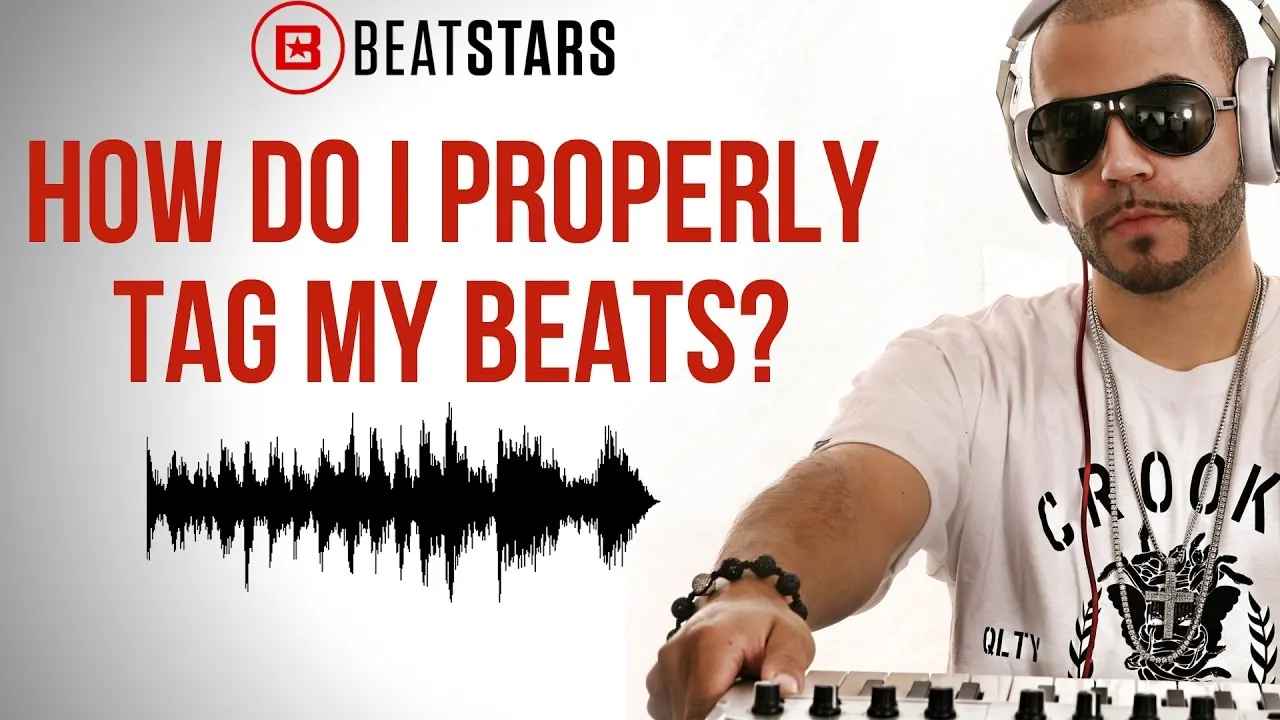
Producers make the same call before an artist hears the beat. DJ Pain 1, a producer and educator, said in a 2016 video for BeatStars that beats he sends straight to songwriters and artists get a tag “only at the beginning, sometimes maybe at the end.” Professionals sit with a beat for a while and record rough versions before they decide whether to buy it, he explained, and “a constant tag is disruptive during the writing and recording process.”[10]
The end of a song has already given rap one famous tag. Mustard’s “Mustard on the beat, ho” (play: Mustard’s tag, in YG’s voice) is YG signing off at the end of his song “I’m Good.” Mustard lifted it while remaking the beat and put it on all his beats, he told Billboard News in 2024.[11]
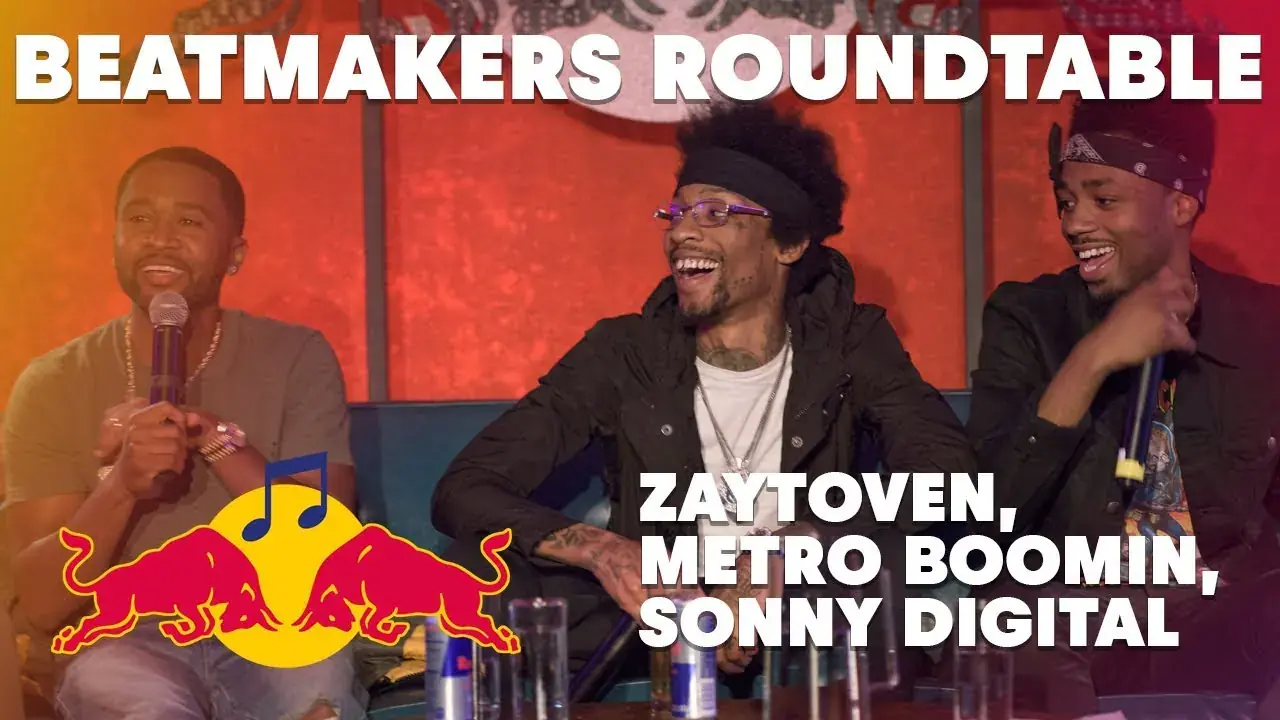
A tag can even go on one song only. Zaytoven said his own name at the start of Gucci Mane’s 2006 album Hard to Kill, which he produced, and left it off the other tracks, he said at the 2016 roundtable. He only put it on everything later, once he heard other producers copying his sound.[4]
On a preview, all the way through
A beat for sale online is a different case. “Yes I want tags throughout the beat,” DJ Pain 1 said of the cheaper beats he sells to the public, because it cuts down on theft and pushes artists to lease or buy the version without tags. It doesn’t stop everyone. Every week, he said, another rapper emailed him a song recorded over one of his beats ripped from YouTube, rapping “over a beat with a loud ass DJ Pain 1 tag every 7 seconds.”[10]
The marketplaces build the loop in. Airbit mixes a producer’s voicetag into each upload and loops it to make the tagged MP3 that plays on the producer’s store. Because the loop adds no gap of its own, its help page tells producers to “leave about 20-30 seconds of silent audio after or before the actual voice tag.” Custom voicetags are for Airbit’s Platinum members; free accounts get the platform’s default tag.[3]
BeatStars builds a tagged preview from the default voice tag in a producer’s settings, or takes one the producer tagged by hand, a file that “already has your voice tag embedded in the audio at your chosen positions.”[12] Producers also choose whether a free download arrives as a “Beat with voice tag, or Untagged beat.”[13] For paid files, BeatStars says the producer controls which licences include a tag. State clearly in the licence and file list what the buyer receives. If the licence promises untagged files and the tag remains, BeatStars directs the buyer back to the producer. An untagged filename alone is not a substitute for those terms.[14]
Scroll across to compare all columns.
| Spot | Why it’s used | Hear it or read it |
|---|---|---|
| In the gap before the first vocal | Nothing else competes with the name | “Oh Boy” (play: Cam’ron, “Oh Boy,” official video)[1] |
| Timed so the last word lands on the one | The line hits with the first beat of the bar | “Father Stretch My Hands Pt. 1” (play: Metro Boomin’s tag, in Future’s voice)[8] |
| At the end of the song | A closing moment instead of an interruption | Alex Tumay, engineer[2] |
| At the start, sometimes the end, of beats sent to artists | A constant tag gets in the way of writing and recording | DJ Pain 1, producer[10] |
| Looped through a preview sold online | Discourages unpaid use; buyers pay for the clean file | Airbit: about every 20 to 30 seconds[3] |
Placing yours
Try the phrase before the first vocal and listen through the transition. Landing a stressed word on the first beat of a bar is one option, as in West’s adjustment to Metro’s tag; your phrase may suit another accent. If the intro feels crowded, try the ending Tumay described. For a store preview, check the platform’s tagging controls and leave space between repeats. Keep a clean file ready for any licence that promises one.
Sonny Digital’s story adds one more step. A tag on the beat isn’t a tag on the record until the artist’s side agrees, so it pays to settle where it goes before the song is finished.
VoiceTagGods, which publishes this blog, records producer tags with human vocalists and AI voices; you can hear its vocalists here. For where the tag came from in the first place, read our history of the producer tag.
“I’ll be back”
Sonny Digital didn’t take the “Birthday Song” call hard, he told the RBMA audience. He was already working on his own music, and he decided to let it slide. “I’ll be back,” he remembered telling himself. “I’ll be back.”[4]